
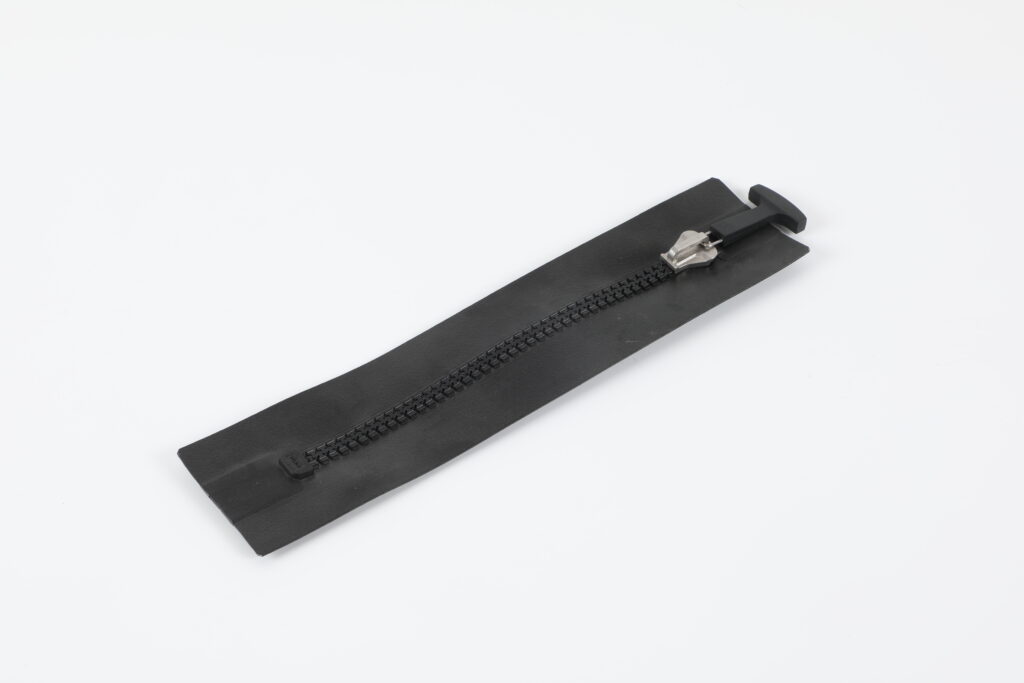
Waterproof zippers of the same length can have different costs. The difference comes from how the closure is built, how it is attached to the surrounding material, and how its performance is checked.
Some costs belong to every zipper produced. Others, such as tooling or prototype work, occur during development. Understanding that distinction helps explain why a sample price, a production price and the cost of an installed opening can differ.
What goes into the zipper itself?
Chain, tape and end construction
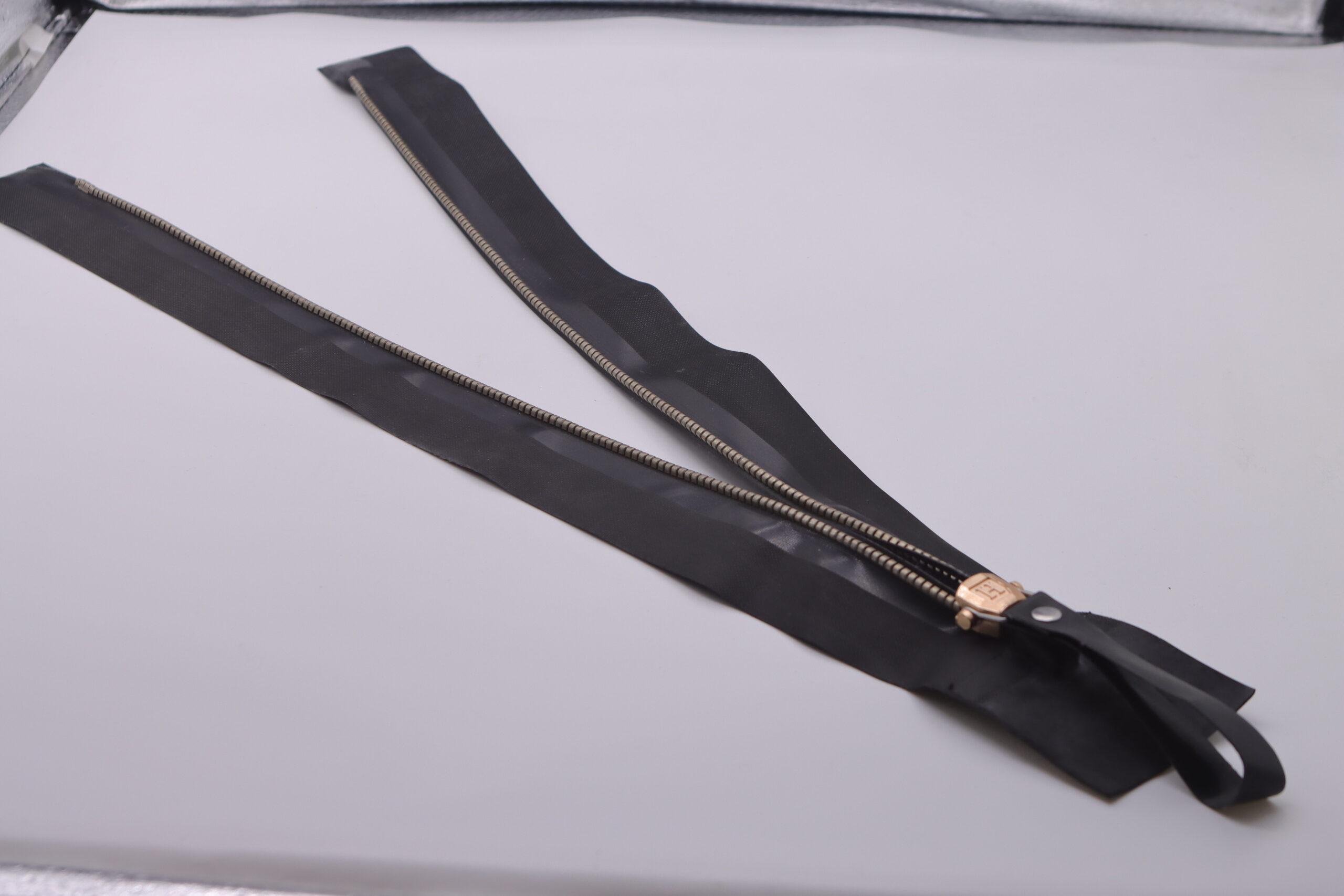
A zipper is an assembly of chain, tape, slider and end components. Metal teeth, molded teeth and nylon spiral constructions use different parts and production processes. Length alone does not describe the complete assembly.
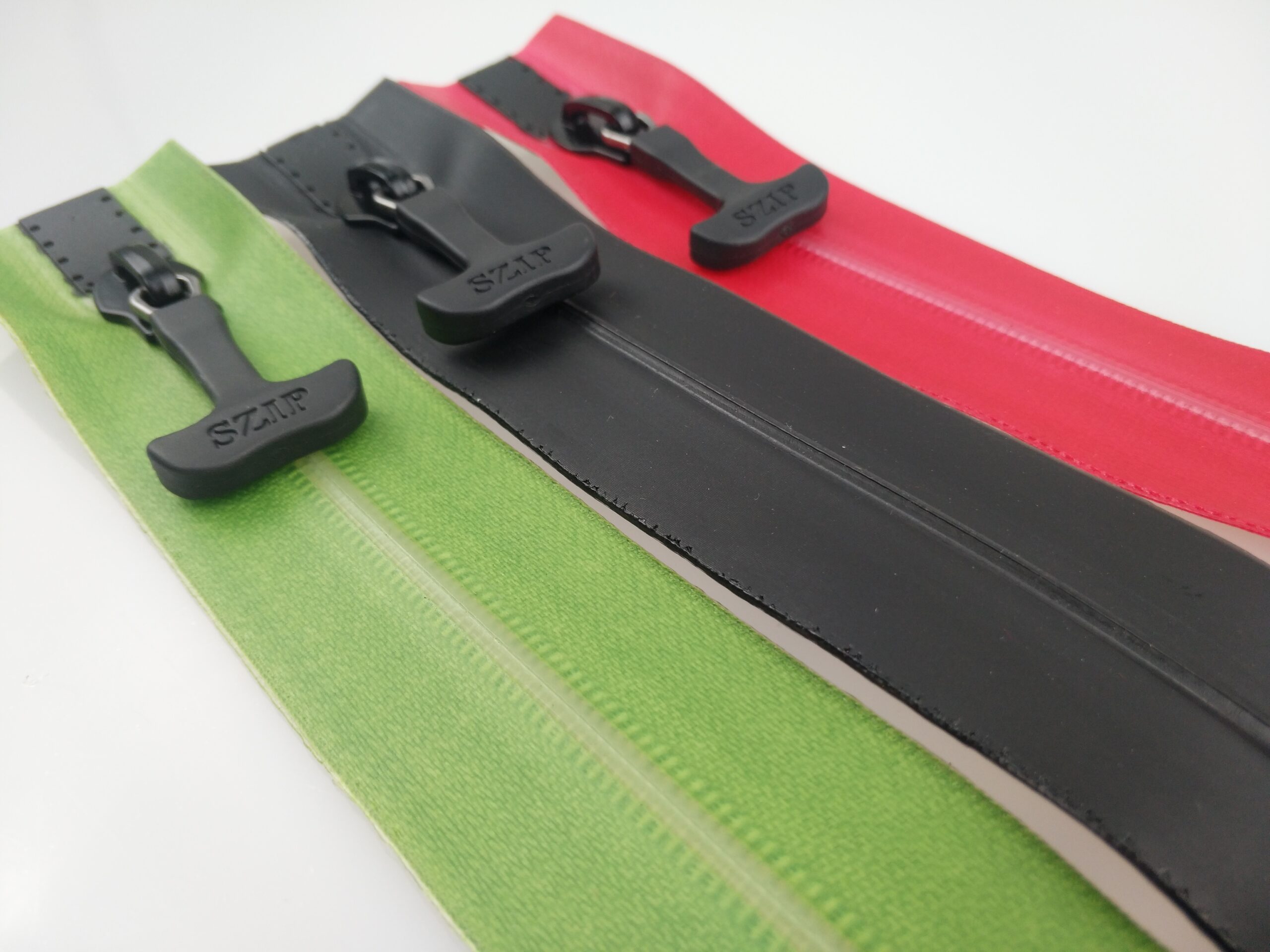
The tape is also part of the design. Its width, backing and surface treatment affect how the zipper joins the surrounding fabric. On a sealing closure, the transition between the chain, tape and ends needs to work as a complete opening.
Sealing requirements
Protection from rain, resistance to water entry and resistance to air leakage are different requirements. They should not be treated as interchangeable descriptions. An airtight zipper needs to be evaluated for the specified leakage conditions; a smooth-looking coating does not establish its performance.
There is no fixed price ranking that applies to every metal, molded-tooth or spiral zipper. The exact construction and required performance matter more than the category name.
Why do development and testing add cost?
Development may involve drawings, prototype assemblies, fabric attachment trials and tooling. An existing configuration may use existing components, while a new detail may require additional work. A custom length does not automatically mean that a new tool is needed.
Testing also has a defined scope. Checking a loose zipper is different from checking the same zipper after it has been attached to fabric. A finished bag adds seams, panel joints and other possible leakage paths. Component results therefore do not establish the performance of the whole bag.
Sample preparation, test conditions, the number of trials and reporting requirements all contribute to the work involved. A durability test and a leakage test answer different questions.
Why can the quoted costs differ?
The word “zipper” may refer to continuous chain, a finished component or an installed assembly. These include different amounts of material and labor. A price per meter of chain is therefore a different measure from a price per finished piece.
Order quantity changes how setup and development work are distributed across the pieces produced. It can affect unit cost, although a larger order does not guarantee a lower price in every case.
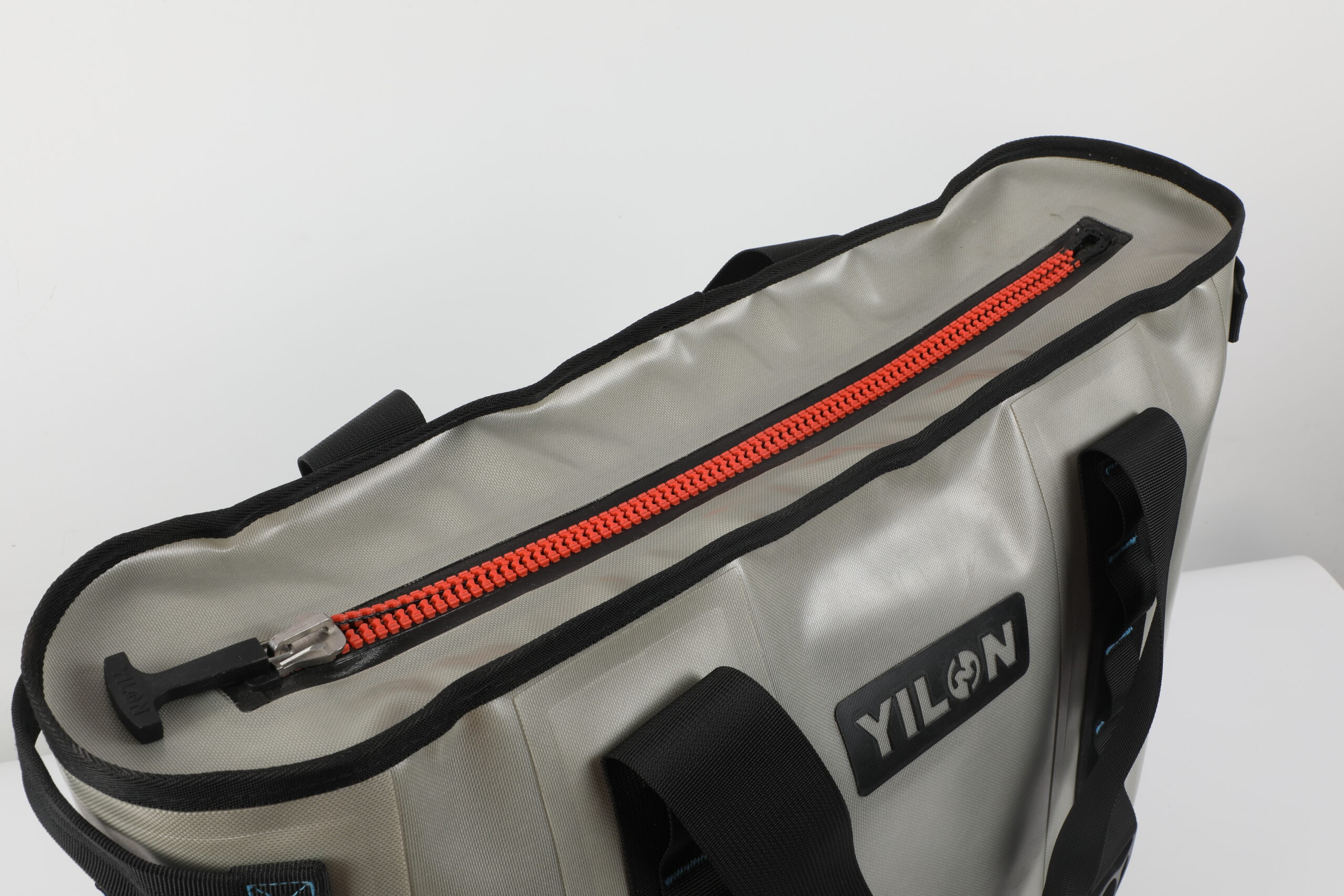
For waterproof zippers used in dry bags and backpacks, the installed cost also includes the work needed to join the closure to the bag. Attachment trials and seam construction belong to this stage.
| Cost component | What it covers |
|---|---|
| Finished zipper | Chain, tape, slider, ends and assembly. |
| Development | Drawings, prototypes, tooling and revisions. |
| Installation | Joining the zipper to fabric and completing the opening. |
| Validation | Sample preparation, testing and reports. |
| Delivery | Packing and transport, where included. |